
Why Your MRI May Not Tell the Whole Story
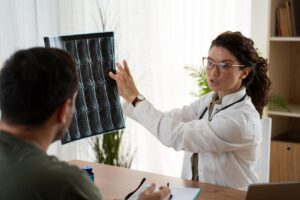
Many patients searching why your MRI may not tell the whole story are trying to understand why they still experience neck pain, low back pain, stiffness, muscular tension, or sciatica even after receiving MRI results.
At Straight To The Point Dry Needling (STTPDN) in West Palm Beach, we believe imaging matters — but movement, posture, muscular guarding, mobility, soft tissue restriction, strength, and function matter too.
Why your MRI may not tell the whole story often comes down to the fact that imaging may show structural findings, but it does not always explain how your body moves, compensates, guards, or responds during daily activity.
Patients commonly come to STTPDN after being told they have:
- Disc herniations
- Bulging discs
- Degenerative disc disease
- Arthritis
- Foraminal narrowing
- Straightening of the cervical spine
- Straightening of the lumbar spine
- Nerve irritation
- Spinal compression
- Degenerative changes
These findings may be important, but they may not explain everything contributing to pain and restriction.
That is why your MRI may not tell the whole story.
MRI Findings Can Feel Scary
Reading an MRI report can feel overwhelming.
Words like:
- herniation
- degeneration
- stenosis
- compression
- nerve irritation
- disc bulge
can make patients feel like surgery is the only option.
However, why your MRI may not tell the whole story is because MRI findings should always be considered alongside:
- Movement quality
- Mobility
- Strength
- Posture
- Soft tissue restriction
- Functional limitations
- Daily activity tolerance
- Muscular guarding
- Pain behavior
- Flexibility
An MRI shows structure.
It does not always show how your body moves.
Why Your MRI May Not Tell the Whole Story About Pain
One of the most important things patients should understand is that MRI findings do not always match pain levels.
Some patients may have significant MRI findings with minimal pain.
Others may experience severe pain even with mild imaging findings.
Why your MRI may not tell the whole story is because pain may also be influenced by:
- Muscular guarding
- Fascial restriction
- Joint stiffness
- Poor posture
- Hip restriction
- Thoracic stiffness
- Core weakness
- Nerve sensitivity
- Compensation patterns
- Reduced mobility
- Movement dysfunction
This is why movement-focused conservative treatment matters.
At STTPDN, we evaluate how the body moves, stabilizes, bends, rotates, and functions — not just what the MRI says.
The Missing Movement Conversation
Many patients receive MRI imaging but never receive a detailed explanation of how movement dysfunction may contribute to pain.
Why your MRI may not tell the whole story often comes down to movement quality.
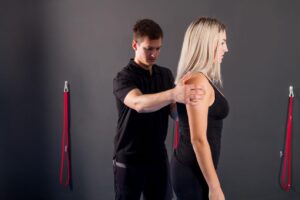
A movement assessment may reveal:
- Limited hip mobility
- Poor spinal rotation
- Tight upper traps
- Restricted thoracic mobility
- Weak core stability
- Poor glute activation
- Rib cage tightness
- Diaphragm restriction
- Compensation patterns
- Guarded movement
These movement problems may increase stress on the neck, low back, shoulders, ribs, pelvis, hips, and surrounding tissues.
At STTPDN, conservative treatment may include:
- Physical therapy
- Dry needling
- Lumbar decompression therapy
- Chiropractic care
- Therapeutic soft tissue therapy
- NeuroStrength rehabilitation
- Mobility restoration
- Functional rehabilitation
Learn more about conservative treatment here:
https://sttpdn.com/conservative-treatment-for-neck-and-back-pain/
Why Muscles Tighten Around Spine Problems
When the body senses irritation or pain, muscles often tighten to protect the area.
This is called muscular guarding.
Why your MRI may not tell the whole story is because muscular guarding itself may contribute to pain and stiffness.
Many patients dealing with chronic tightness, stiffness, posture-related tension, or movement restriction may also be experiencing muscular guarding.
Muscular guarding is the body’s protective response where muscles tighten around painful or irritated areas. Over time, this protective response may contribute to reduced mobility, chronic tension, altered movement patterns, and postural dysfunction.
Learn more about muscular guarding here:
https://sttpdn.com/muscular-guarding/
Muscular guarding may contribute to:
- Chronic tightness
- Reduced mobility
- Compression-related discomfort
- Muscle spasms
- Neck stiffness
- Low back tightness
- Sciatic-like symptoms
- Difficulty sitting
- Difficulty standing
- Pain with bending
- Pain with twisting
Patients often become trapped in a cycle where:
- The spine becomes irritated
- Muscles tighten to protect the area
- Movement becomes restricted
- Stiffness increases
- Pain continues
This is one reason why your MRI may not tell the whole story.
Straightening of the Cervical Spine on MRI
Many patients are told their imaging shows straightening of the cervical spine.
This may sound alarming, but in many cases, straightening may be associated with:
- Muscle guarding
- Neck spasms
- Upper trap tightness
- Reduced mobility
- Postural dysfunction
- Stress tension
- Pain-related protection
Why your MRI may not tell the whole story is because the neck muscles themselves may be contributing to the restriction pattern.
In many cases, muscular guarding, upper trap tension, thoracic stiffness, posture dysfunction, and reduced mobility may all influence how the cervical spine moves and functions.
Patients experiencing chronic tightness or protective tension patterns may benefit from learning more about muscular guarding and movement restriction here:
https://sttpdn.com/muscular-guarding/
When muscles tighten around the neck, the normal curve of the cervical spine may appear reduced or straightened.
Conservative treatment may focus on improving mobility, reducing muscular tension, restoring posture, and improving movement quality.
Patients with neck pain may also benefit from:
https://sttpdn.com/neck-pain-treatment-west-palm-beach/
Straightening of the Lumbar Spine on MRI
Straightening of the lumbar spine may also appear on MRI imaging.
This may be associated with:
- Lumbar muscle guarding
- Hip tightness
- Disc irritation
- Reduced mobility
- Pelvic restriction
- Pain-related tension
- Compression-related stiffness
Why your MRI may not tell the whole story is because movement restriction throughout the hips, pelvis, glutes, abdominal wall, and lumbar muscles may also contribute to low back pain.
Patients dealing with low back pain may also benefit from:
https://sttpdn.com/low-back-pain-treatment-in-west-palm-beach/
Disc Herniations and Conservative Treatment
Disc herniations and bulging discs are common MRI findings.
These findings may contribute to:
- Low back pain
- Sciatica
- Tingling
- Numbness
- Stiffness
- Nerve irritation
- Compression-related discomfort
However, why your MRI may not tell the whole story is because muscular tension, mobility restriction, posture, and movement dysfunction may also contribute to symptoms.
At STTPDN, conservative treatment may include:
- Physical therapy
- Dry needling
- Lumbar decompression therapy
- Chiropractic care
- Therapeutic soft tissue therapy
- Functional rehabilitation
- Mobility restoration
Patients dealing with disc-related symptoms may also benefit from:
https://sttpdn.com/lumbar-decompression-therapy-west-palm-beach/
Sciatica and MRI Findings
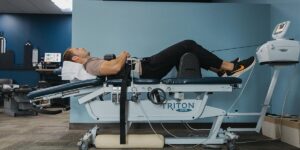
Sciatica may involve:
- Pain into the glute
- Tingling into the leg
- Numbness
- Burning discomfort
- Nerve sensitivity
- Pain after sitting
Why your MRI may not tell the whole story is because sciatic symptoms may also involve:
- Piriformis tension
- Glute restriction
- Hip mobility problems
- Pelvic mechanics
- Lumbar guarding
- Movement dysfunction
- Nerve sensitivity
A comprehensive movement-focused approach may include physical therapy, decompression therapy, dry needling, chiropractic care, soft tissue therapy, and mobility restoration.
Patients with sciatica may also benefit from:
https://sttpdn.com/sciatica-treatment-west-palm-beach/
Why Pain Can Continue Even After the MRI
Some patients feel frustrated because their MRI still does not explain why they continue to hurt.
This is one reason movement-focused conservative care often looks beyond imaging findings alone.
Muscular guarding, posture dysfunction, reduced mobility, thoracic stiffness, and compensation patterns may all influence how the body feels and functions during daily activity.
Learn more about muscular guarding here:
https://sttpdn.com/muscular-guarding/
Why your MRI may not tell the whole story is because imaging may not fully explain:
- How your muscles protect
- How your joints move
- How your posture affects tension
- How your hips affect your low back
- How your thoracic spine affects your neck
- How your core stabilizes movement
- How your nervous system responds to stress
At STTPDN, we assess movement, posture, flexibility, mobility, muscular tension, and function as part of conservative treatment.
Conservative Treatment Before Surgery
Many patients searching why your MRI may not tell the whole story are also searching for conservative treatment options before considering surgery.
Conservative treatment may be worth considering when:
- Pain affects daily function
- Mobility is restricted
- Muscular guarding is present
- You want to improve movement before surgery
- You want alternatives to injections
- You are trying to avoid surgery if appropriate
- You have tried medication without lasting improvement
At STTPDN, conservative treatment may include:
- Physical therapy
- Dry needling
- Lumbar decompression therapy
- Chiropractic care
- Therapeutic soft tissue therapy
- NeuroStrength rehabilitation
- Performance physical therapy
- Functional movement training
Learn more here:
https://sttpdn.com/conservative-treatment-for-neck-and-back-pain/
Dry Needling for Muscular Guarding
Dry needling may help address deep muscular tension and muscular guarding.
Treatment may target:
- Upper traps
- Suboccipitals
- Cervical paraspinals
- Lumbar paraspinals
- Quadratus lumborum
- Piriformis
- Glutes
- Hip stabilizers
Why your MRI may not tell the whole story is because deep muscular tension itself may contribute to movement restriction and pain patterns.
Learn more here:
https://sttpdn.com/dry-needling-west-palm-beach/
Chiropractic Care and Joint Mobility
Restricted joint movement may contribute to stiffness, muscular guarding, and chronic pain.
Chiropractic care and joint mobilization may help improve:
- Cervical mobility
- Lumbar mobility
- Thoracic movement
- SI joint mechanics
- Rib mobility
- Pelvic movement
- Postural function
Learn more here:
https://sttpdn.com/chiropractor-west-palm-beach/
Therapeutic Soft Tissue Therapy
Soft tissue restriction may contribute to stiffness, tension, guarding, and movement dysfunction.
Therapeutic soft tissue therapy may help address:
- Fascial restriction
- Adhesions
- Trigger points
- Scar tissue restriction
- Postural tension
- Muscular tightness
- Movement-related restriction
Learn more here:
https://sttpdn.com/therapeutic-soft-tissue-therapy-west-palm-beach/
Physical Therapy and Movement Rehabilitation
Physical therapy plays an important role when why your MRI may not tell the whole story becomes part of the patient conversation.
Physical therapy may help improve:
- Strength
- Mobility
- Flexibility
- Core stability
- Posture
- Functional movement
- Daily activity tolerance
At STTPDN, physical therapy is individualized based on movement quality, mobility, posture, and functional limitation.
Patients looking for active rehabilitation may also benefit from:
https://sttpdn.com/performance-physical-therapy-west-palm-beach/
When MRI Findings Do Matter
This page is not saying MRI findings do not matter.
They absolutely do.
MRI findings may be extremely important when symptoms involve:
- Progressive weakness
- Loss of bowel or bladder control
- Severe numbness
- Significant trauma
- Fever with severe spine pain
- Rapidly worsening neurological symptoms
- Difficulty walking that is progressing
Why your MRI may not tell the whole story simply means imaging is only one part of the complete clinical picture.
Why the Full Picture Matters
Why your MRI may not tell the whole story often comes down to the fact that imaging cannot fully show:
- Movement quality
- Muscular guarding
- Mobility restriction
- Functional movement
- Soft tissue tension
- Postural dysfunction
- Compensation patterns
- Strength deficits
- Core stability
At STTPDN, we focus on movement, mobility, posture, strength, muscular tension, and function — not just imaging findings alone.
Why Choose STTPDN?
Patients choose STTPDN because we combine multiple conservative treatment methods under one roof.
Treatment may include:
- Physical therapy
- Dry needling
- Lumbar decompression therapy
- Chiropractic care
- Therapeutic soft tissue therapy
- NeuroStrength rehabilitation
- Mobility restoration
- Performance physical therapy
- Functional rehabilitation
Why your MRI may not tell the whole story is one reason our clinic focuses heavily on movement-based conservative care.
Frequently Asked Questions
Can MRI findings explain all pain?
Not always. Pain may also involve muscular guarding, mobility restriction, posture, movement dysfunction, and soft tissue tension.
Does a disc herniation always require surgery?
No. Some patients may benefit from conservative treatment depending on symptoms and function.
Can muscles tighten around spine injuries?
Yes. Muscular guarding is a common protective response to irritation or pain.
Can straightening of the cervical spine be related to muscle spasm?
In some cases, yes. Muscle guarding and tension may contribute to straightening patterns.
What conservative treatments may help?
Treatment may include physical therapy, dry needling, decompression therapy, chiropractic care, soft tissue therapy, and movement rehabilitation.
Start Conservative Care at STTPDN
If your MRI shows disc findings, degeneration, nerve irritation, straightening of the spine, or compression-related changes, but you still feel like no one has explained how your body actually moves, STTPDN may be able to help you explore conservative treatment options.
Straight To The Point Dry Needling
West Palm Beach, Florida
Schedule your evaluation today and learn why your MRI may not tell the whole story.